
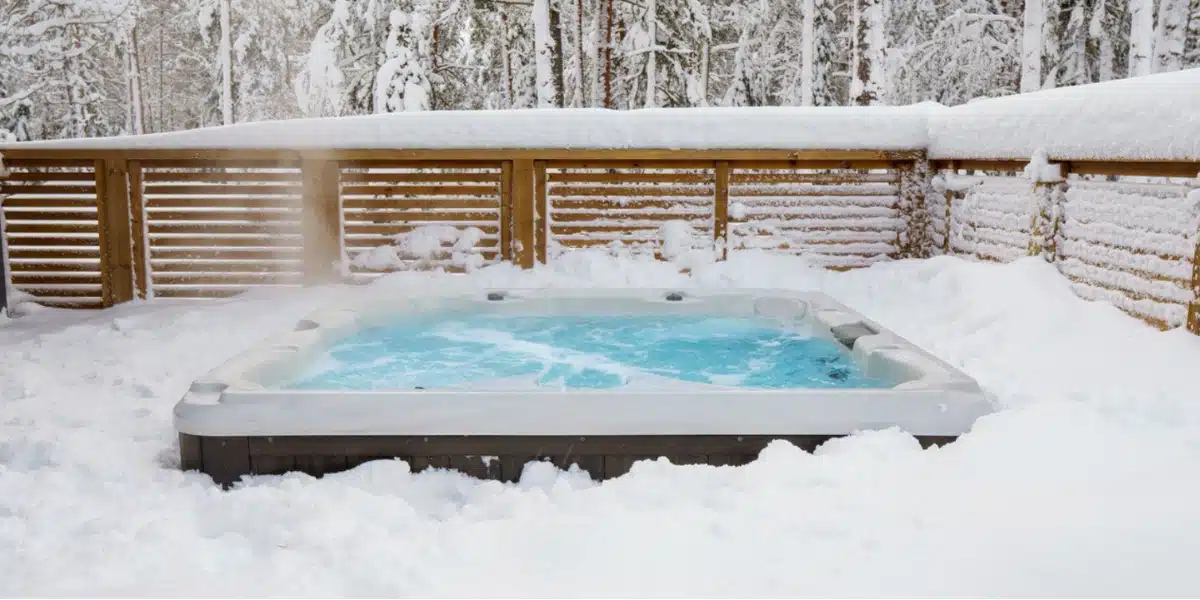
Cold weather can take a serious toll on hot tubs if proper steps are not taken ahead of winter. As temperatures drop, water left inside plumbing lines can freeze, expand, and cause costly damage. Understanding how to winterize a hot tub helps owners protect their investment while avoiding unexpected repairs during spring start-up.
Some owners continue using their spa throughout winter, while others prefer a seasonal shutdown. Both choices require thoughtful preparation. If you want to have a look at smart, practical steps for hot tub winterization, covering preparation, protection, and long-term care, this blog is for you. We have also highlighted how consistent hot tub maintenance in winter supports performance, safety, and equipment longevity.
Understanding Cold Weather Risks
Winter conditions introduce unique challenges for hot tubs, especially in regions with freezing temperatures.
Why Freezing Water Is a Serious Threat
Water expands as it freezes. When trapped inside plumbing, jets, or pumps, that expansion can crack pipes and damage internal components. Effective hot tub freeze protection prevents these issues before temperatures reach dangerous levels.
Hidden Damage Concerns
Freeze damage is not always visible immediately. Cracks and weakened fittings may only show leaks months later, leading to higher repair costs and system downtime.
Deciding Between Winter Use or Seasonal Shutdown
Before preparing your spa, decide how it will be handled during colder months.
1. Keeping the Hot Tub Operational
Some owners enjoy winter soaking and keep their spa running year-round. This option requires consistent monitoring, proper insulation, and uninterrupted power to maintain safe water temperatures.
2. Temporarily Closing the Spa
Others prefer closing a hot tub for winter to reduce maintenance demands. This approach requires thorough draining, cleaning, and drying to protect internal systems until warmer weather returns.
Preparation Before Draining
Proper preparation makes winterization more effective and reduces overlooked issues.
1. Deep Cleaning Before Cold Sets In
Thoroughly clean the shell, jets, and filters before temperatures drop. Removing residue, oils, and buildup helps prevent odors, discoloration, and bacterial growth during long periods of inactivity, keeping interior surfaces fresh and easier to reopen when warmer weather returns safely.
2. Water Balancing Steps
Balancing water chemistry before draining reduces scale formation inside pipes and internal equipment. Proper levels limit mineral deposits, corrosion risks, and residue during storage, helping plumbing components remain cleaner and reducing start-up complications once the spa is refilled after winter.
3. Draining the Hot Tub Properly
Use the spa’s drain valve or a submersible pump to remove water efficiently. Tilt hoses and fittings to encourage complete drainage. After draining, residual water remains inside plumbing lines. This water must be addressed to prevent freezing damage.
4. Removing Water from Plumbing Lines
This stage is critical for full protection. Blowing air through jets and suction lines helps force trapped water out of hidden areas. Repeating this step across all lines improves overall freeze protection. Jets, diverter valves, and pump connections often trap water. Inspect each area carefully to avoid missed pockets.
5. Protecting Pumps and Equipment
Internal components require additional care beyond draining. Loosening pump and heater unions helps trapped moisture escape and reduces pressure during temperature changes.
Clean and dry the equipment area. Removing debris reduces moisture retention and keeps components in better condition throughout winter.
Cover Care During Winter
The cover plays a major role in winter protection.
Cleaning and Drying the Cover
Wash the cover thoroughly and allow it to dry fully. This prevents mildew and extends the cover’s lifespan during storage or continued use.
Securing the Cover Correctly
A tightly secured cover blocks snow, ice, and debris. It also helps maintain insulation if the spa remains operational during winter.
Winter Maintenance for Active Hot Tubs
For owners continuing to use the spa, maintenance routines shift slightly during the winter months.
1. Monitoring Water Levels
Water evaporates faster in cold, dry air. Maintaining proper levels protects heaters and pumps from damage.
2. Checking Temperature Settings
Consistent heat supports circulation and prevents freezing. Avoid frequent temperature changes during extreme cold periods.
3. Power and Safety Considerations
Reliable power is essential for winter operation. Extended outages during freezing weather pose risks. Backup plans, such as quick drainage options, help reduce potential damage.
4. Inspecting Electrical Components
Check GFCI outlets and breakers before winter begins. Stable electrical performance supports uninterrupted heating and circulation.
Common Winterization Mistakes
Avoiding common errors saves time and money.
Skipping Plumbing Line Clearing
Draining alone does not remove all water. Skipping line clearing leaves hidden risks behind.
Rushing the Process
Winterization requires patience. Overlooking steps increases the chance of freeze damage and spring repair issues.
Professional Help vs DIY Winterization
Some owners handle winterization independently, while others prefer professional service.
Benefits of Professional Support
Technicians use specialized tools and follow detailed procedures. Owners often consult us a spa dealer in Highland, for seasonal preparation advice and services.
When DIY Makes Sense
DIY winterization works well for experienced owners who understand their spa’s layout and equipment. Detailed checklists help maintain accuracy.
Protecting Your Investment
Owners planning to buy a luxury spa often think about winter protection strategies well in advance, understanding that proper cold-weather maintenance directly affects the longevity and performance of their investment. Spas that undergo regular seasonal care, including draining, cleaning, and freeze protection, operate more reliably year after year, minimizing unexpected breakdowns, costly repairs, and downtime.
Wrapping It Up
Preparing a hot tub for winter requires planning, attention to detail, and consistent follow-through. If maintaining year-round use or fully shutting down, proper hot tub winterization protects against freezing, damage, and costly repairs. From draining and plumbing care to cover maintenance and power planning, every step plays a role in cold-weather protection.
Looking to buy a luxury spa in Utah County? We provide expert guidance, seasonal services, and professional support to help owners protect their hot tubs during the winter months. Contact us today for reliable assistance and keep your spa ready for every season.