Spa Bros University
Hot tubs may look lightweight, but once filled with water and people, their total weight can reach several thousand pounds. This guide breaks down empty weight, water weight, and real-world load considerations to help homeowners plan safe delivery, placement, and long-term installation with confidence.
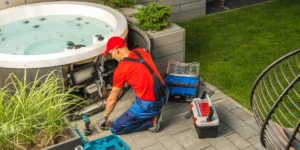
From heating and circulation issues to error codes and leaks, this troubleshooting guide helps hot tub owners understand system behavior and respond with confidence.
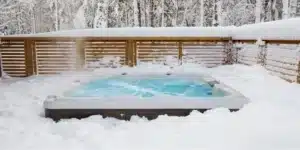
Cold weather can cause serious damage to hot tubs if they aren’t properly prepared. Learn essential winterization steps to protect your spa, prevent freeze damage, and avoid costly repairs.
Discover how warm-water immersion influences the body and whether hot tubs truly support natural detox or weight loss. This blog explains the science behind circulation, relaxation, and metabolism and highlighting their real wellness benefits.
This guide explains the key steps that affect the overall cost, including site preparation, delivery, and early maintenance, helping homeowners understand what to expect before getting started.
This guide walks you through the safest ways to lower chlorine levels, and simple habits that keep your spa water balanced long-term. Learn how to restore comfort, protect your equipment, and maintain a healthier, more enjoyable hot tub experience.
Safe hot tub use involves limiting sessions to 15–30 minutes, adjusting for temperature, and staying hydrated to prevent overheating. Choosing the right spa, like Alpine hot tubs, ensures a relaxing and healthy experience.
The ideal hot tub temperature ranges between 100°F and 104°F, balancing comfort, safety, and relaxation. Adjusting for season, health, and personal preference ensures a safe and enjoyable soaking experience year-round.
Proper hot tub alkalinity, ideally between 80 and 120 ppm, keeps water clear, balanced, and safe while protecting equipment. Regular testing and small adjustments ensure a clean, comfortable, and long-lasting spa experience.