
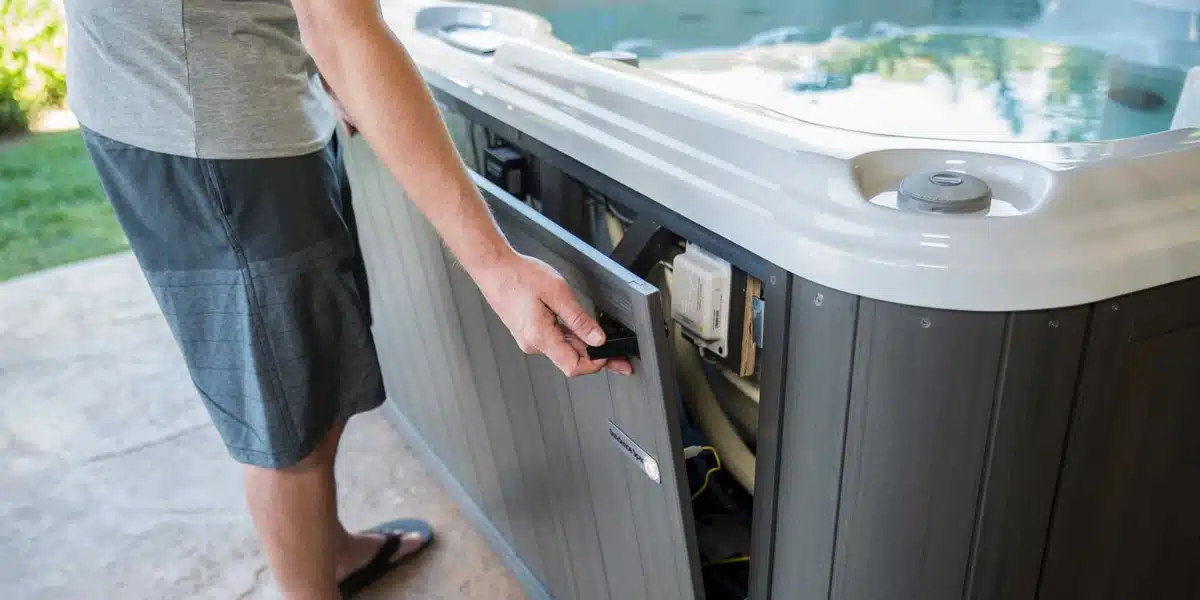
Hot tubs bring comfort and relaxation, but like any mechanical system, they can develop issues over time. When something goes wrong, quick identification makes a big difference in preventing further damage and downtime. Many owners search for reliable hot tub troubleshooting advice when jets stop working, water fails to heat, or error codes appear unexpectedly.
We have compiled this detailed guide to walk you through the most frequent concerns spa owners face, explaining causes, warning signs, and practical next steps. This hot tub troubleshooting guide helps owners understand what is happening and how to respond confidently before calling for professional service.
Understanding Early Warning Signs
Small changes often signal bigger problems ahead. Paying attention to early symptoms helps reduce long-term repair costs.
1. Changes in Water Temperature
One of the most common warning signs involves inconsistent water temperature. Water that heats slowly or cools rapidly may indicate heater or circulation problems. Many owners notice a hot tub heater not working first by detecting fluctuating temperatures during normal use, often before error messages appear or performance declines further.
2. Unusual Sounds or Vibrations
Grinding, humming, or rattling noises often signal pump strain, restricted flow, or worn internal parts. These sounds should never be ignored, as they often indicate developing mechanical stress in motors or bearings, which can worsen quickly if operation continues without inspection or timely attention from trained technicians during routine servicing.
3. Weak or Inactive Jets
Reduced jet pressure usually results from clogged filters, trapped air, or pump strain within the system. Regular filter cleaning and timely replacement restore water movement, improve massage performance, and resolve many common hot tub issues linked to circulation problems over time during regular use across seasons and conditions at home.
4. Air Locks After Refilling
After draining and refilling a spa, trapped air may block pumps from priming correctly. This interruption stops water movement and heating functions. Releasing air through pump bleed valves often restores circulation quickly, returning the system to stable operation without additional repairs when completed carefully during initial startup checks after refilling.
5. Heater Power Issues
When power reaches the spa, but heat does not build, internal heater components often require closer inspection. Hot tub heater troubleshooting usually starts with checking breakers, fuses, and control panel indicators, followed by examining wiring connections and heater elements that may have worn or failed during extended use over time.
6. Sensor and Thermostat Malfunctions
Temperature sensors and thermostats control heating cycles and safety functions. Faulty sensors may send incorrect readings, preventing heaters from activating even when the water feels cold. This miscommunication can lead to inconsistent heating, system shutdowns, and user discomfort during normal operation.
7. Error Codes and Display Warnings
Digital control panels show error codes when the system detects abnormal conditions. Referring to the manufacturer’s manual helps identify the cause, such as flow restrictions or temperature faults, before attempting resets or contacting professional technicians for accurate diagnosis and resolution.
8. Tripping Breakers
Repeated breaker trips often signal electrical overload, heater failure, or moisture exposure within components. These interruptions should receive immediate attention, as continued operation may damage control systems, wiring, or safety devices, increasing repair complexity and potential safety risks over time.
9. Cloudy or Foamy Water
Cloudiness often develops due to improper filtration, an imbalance in sanitizer levels, or residue buildup. Adjusting chemical levels and improving filtration restores clarity.
10. Pump Running Without Water Flow
A pump that runs but produces little water movement often indicates blockages, air traps, or internal wear. This issue commonly occurs during routine hot tub troubleshooting and should be addressed promptly to restore circulation and prevent further strain on connected components.
11. Overheating Motors
Motors that shut off unexpectedly may overheat due to restricted airflow, debris buildup, or excessive workload. Allowing adequate cooling space around equipment helps prevent recurrence.
12. Leaks and Structural Issues
Leaks may originate from plumbing connections, jet fittings, or shell cracks. Inspecting beneath the spa cabinet helps locate moisture accumulation early. Ongoing leaks increase water usage, damage components, and weaken foundations. Prompt repairs protect both the spa and the surrounding surfaces.
When DIY Fixes Are Enough
Some issues respond well to basic maintenance and inspection.
Routine Maintenance Tasks
Cleaning filters, checking water levels, and inspecting visible connections solve many entry-level problems found in hot tub troubleshooting guide checklists.
Knowing Your Limits
If electrical components, internal plumbing, or control systems appear damaged, professional service becomes the safest option.
Preventive Care Reduces Problems
Preventive care plays a major role in reducing unexpected hot tub issues and costly repairs. When owners follow consistent maintenance routines, small concerns are addressed early, helping systems operate reliably and reducing stress on pumps, heaters, and electrical components over time.
Maintenance Habits That Matter
Regular water testing helps maintain balanced chemistry, while scheduled filter replacement supports proper circulation. Visual inspections of jets, plumbing, and controls help identify early signs of wear, keeping the hot tub running smoothly and limiting the need for urgent repairs.
Protecting Equipment Longevity
Using a quality cover helps retain heat and block debris. Proper ventilation prevents moisture buildup around components, while keeping the surrounding area clean reduces strain on internal systems, supporting long-term performance and dependable operation.
Working With Local Spa Professionals
Experienced technicians provide accurate diagnoses and long-term solutions. Homeowners exploring spa sales in Provo, Utah, and beyond often receive ongoing support for maintenance and repairs. Likewise, customers visiting swim spa dealers benefit from expert guidance when troubleshooting complex system concerns.
Summing It Up
Hot tubs contain interconnected systems that rely on balanced operation. Recognizing early symptoms, understanding common mechanical patterns, and responding appropriately helps owners manage problems effectively. This comprehensive hot tub troubleshooting resource highlights how circulation, heating, water chemistry, and electrical systems interact during daily use.
Being one of the leading swim spa dealers in Provo, we provide professional support, diagnostics, and repair services for hot tub owners seeking dependable solutions. Contact us today for expert assistance and keep your spa operating comfortably year-round.